
Cystectomy, or bladder removal surgery, is a common approach to treating bladder cancer, especially once it has grown into the muscle tissue. The goal of the procedure, which may also involve removal of surrounding lymph nodes, is to remove the cancer and prevent it from spreading.
Robot-assisted cystectomy is a minimally invasive surgery technique that offers quicker recovery times and a lower risk of side effects than a traditional cystectomy.
Traditional vs. robot-assisted cystectomy
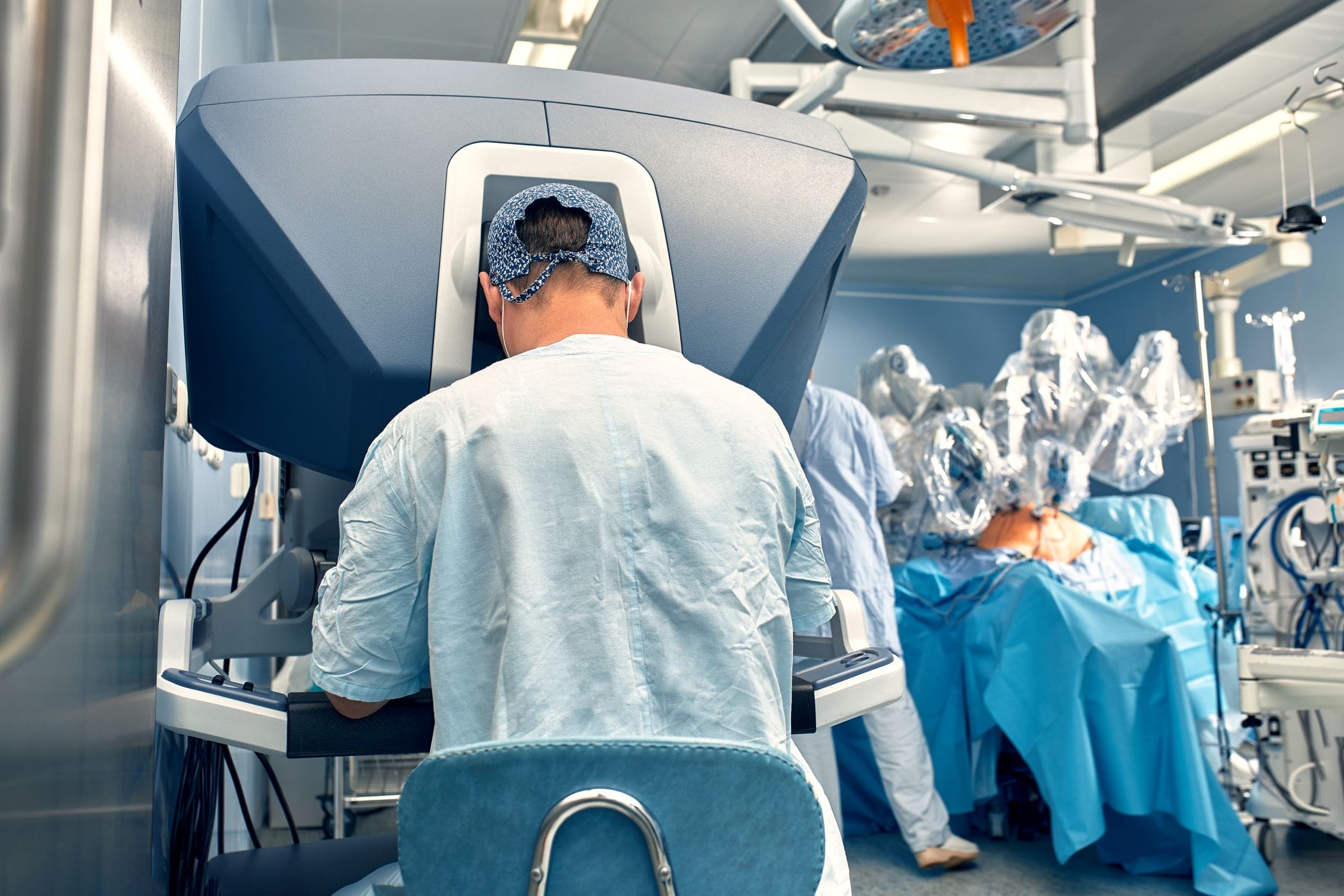
During a traditional cystectomy, a surgeon will make a long vertical incision from your belly button to the pubic bone. During a robot cystectomy, on the other hand, the surgeon makes approximately six small incisions on your abdomen through which they can insert tools connected to robotic arms.
Your surgeon will be present for the entire surgery, regardless of which option you choose. During a robot-assisted cystectomy, however, the doctor will sit at the robotic system’s console and operate the machinery as if it were their own fingers and hands. This allows them to have more precision than they may have on their own.
Robot-assisted cystectomy offers several benefits over traditional cystectomy. Patients receiving robotic surgery tend to have shorter hospital stays, reduced risk of infection, reduced blood loss and less painful recoveries.
Read more about bladder cancer treatment and care
How to prepare for a robot-assisted cystectomy
Be sure to tell your care team about any medications you’re taking before surgery. Certain drugs, like aspirin or blood thinners, could increase your bleeding risk, so you might need to stop taking them for some time.
Before your surgery, you might also be asked to eat a diet high in carbohydrates for a few days; evidence suggests that this may enhance the recovery process. On the day before surgery, you may be able to eat solid foods until midnight, though some hospitals require you to adhere to a liquid diet for the entire day.
What to expect during the procedure
During the surgery itself, you’ll be placed under anesthesia, so you won’t feel anything. At that point, the surgeon will make the incisions and perform the bladder removal.
For a radical cystectomy, which removes the entire bladder, your team will also create a new way for your urine to exit the body. You’ll discuss the options for urinary diversion during your preoperative appointments to determine which method is best for you.
Recovering from robot-assisted cystectomy
After a robot-assisted cystectomy, you’ll probably stay in the hospital for three to five days so your care team can monitor the early stages of recovery.
Once you leave the hospital, the length of recovery depends on your overall health and the type of procedure you received. People who undergo partial cystectomies usually have quicker recovery times than those who receive a full bladder removal, for example.
It’s normal to have a poor appetite, constipation or diarrhea after the surgery. For patients whose intestines were used for the urinary diversion process, your body needs time to adjust to these changes, and you may experience gastrointestinal symptoms for a time.
While you should try to walk and do light exercise after surgery, don’t push yourself too hard. Most patients can go back to work after a few weeks, but a complete recovery can take up to a few months in some cases.
Sign up here to get the latest news, perspectives, and information about bladder cancer sent directly to your inbox. Registration is free and only takes a minute.