
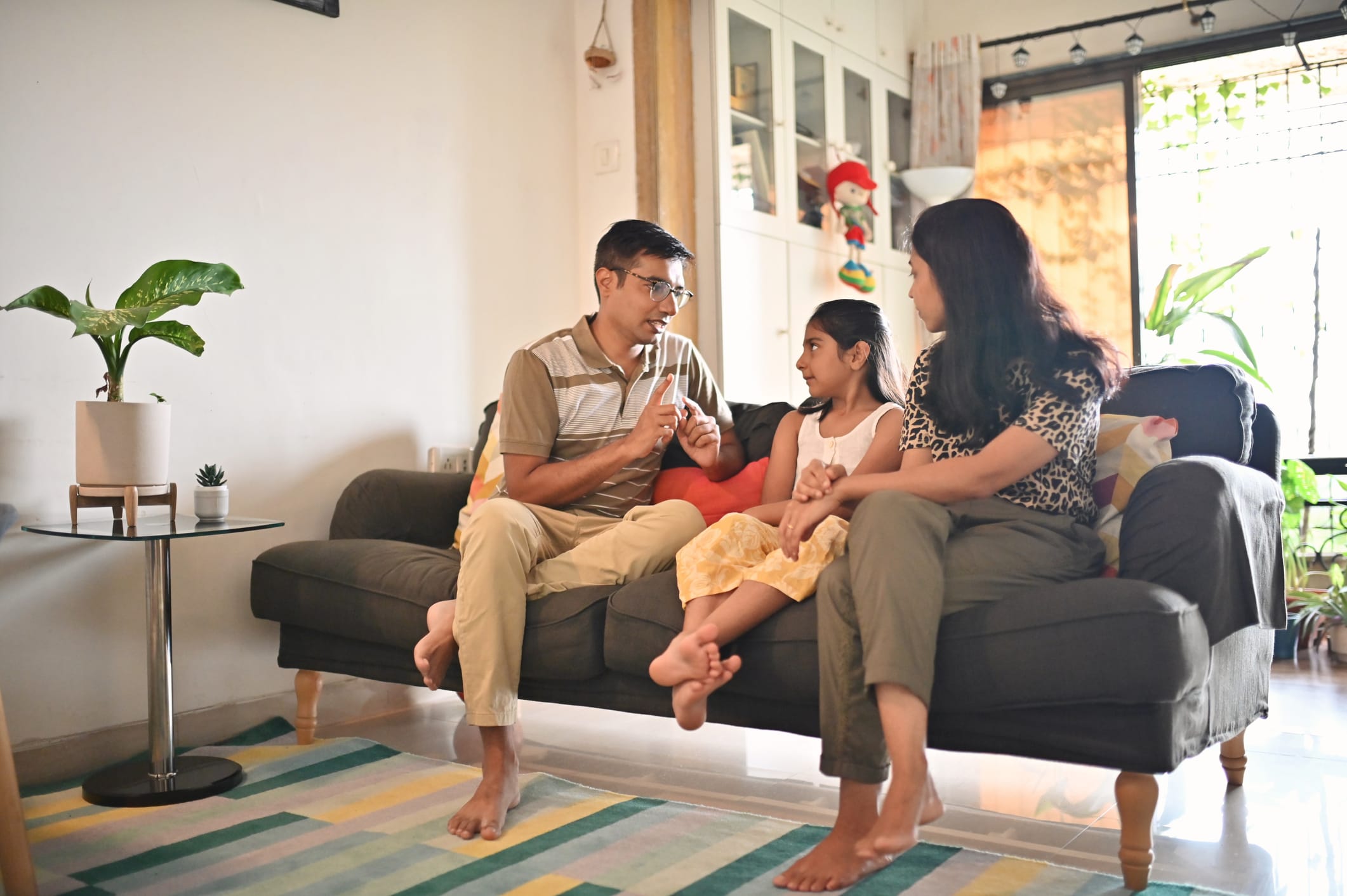
A bladder cancer diagnosis will affect the whole family. Adults need time and information to process the diagnosis. It is equally important to talk to children and be ready to answer their questions. A structured approach, adapted to the child’s age and maturity, can help support their emotional response and desire to understand.
How to prepare to talk to a child about bladder cancer
Children pick up on anxiety, sadness and stress, so it is important not to delay talking about the bladder cancer diagnosis that affects you or a loved one. As you prepare for the conversation, keep these suggestions in mind:
- Be informed. You’ll need to understand as much as you can about the diagnosis, treatment, next steps and what to expect from side effects in order to answer their questions.
- Simplify and clarify. Too much information will be overwhelming for children and will only create additional anxiety. Be honest without scaring them.
- Be ready to offer reassurance. Focus on what happens next, and that there are care options available. Emphasize that it is nobody’s fault.
- Be receptive to their emotional response.
- Don’t make empty promises. Don’t say that everything will be fine.
- Work on your nonverbal communication so that it is aligned with your verbal communication.
- Don’t wait too long. Kids notice things: They may pick up that something is wrong, or they may hear it from someone else, which can create unnecessary anxiety.
Read more about helpful links and resources for bladder cancer
What to expect during the conversation
A child’s age will have a big impact on how they react. Some older children may have heard of cancer diagnoses from other family members or friends, and this may influence their response. You can expect to encounter a mixture of emotions, including fear, anger and confusion. They may want to know how it will affect them and what will change.
You may be surprised to have an initially muted response, followed by a series of questions a few days later. Kids need time to filter the information, adjust to the situation and then formulate their response.
Maintain open communication on the topic
The first conversation is just the beginning. Keep having regular conversations around bladder cancer that explain treatment steps, how it is affecting the family member and any changes in routine. Check in with children in the family on how they’re feeling and keep an eye on how it may be affecting their behavior and attitude.
Support groups and therapists can offer valuable support to all family members when dealing with the diagnosis.
Sign up here to get the latest news, perspectives, and information about bladder cancer sent directly to your inbox. Registration is free and only takes a minute.

