
Radiation therapy for bladder cancer works by damaging the DNA of cancer cells, which destroys them and helps to shrink tumors. However, radiation therapy can also damage nearby healthy cells, leading to a number of side effects.
While many of the side effects of radiation are short-term and may only last a few weeks or months, some patients may experience long-term effects from treatment.
Bladder symptoms
As may be expected, bladder symptoms are common after radiation therapy. Side effects may include:
- An urgency to urinate.
- Burning or stinging when urinating.
- Blood in the urine.
These effects are likely a result of increased bladder inflammation and irritation. In some cases, incontinence and painful urination can last long-term, but many medications are available to address bladder dysfunction.
Read more about bladder cancer therapies
Bowel symptoms
Since the bowels are close to the bladder, they may also be impacted by radiation. You may notice:
- Diarrhea.
- Changes in bowel habits.
- Blood or mucus in the stool.
- Lower abdominal pain, which may feel like cramps.
If you experience diarrhea, make sure to drink plenty of fluids to prevent dehydration. Your doctor may be able to offer medication to help reduce diarrhea. Fortunately, these symptoms are usually temporary.
Skin symptoms
Because external radiation is applied directly to the skin, you might experience skin symptoms such as:
- Itching.
- Swelling.
- Changes in skin texture.
- Pink or red skin discoloration among those with lighter skin tones.
- Grey, yellow, purple or maroon skin discoloration among those with darker skin tones.
Fatigue
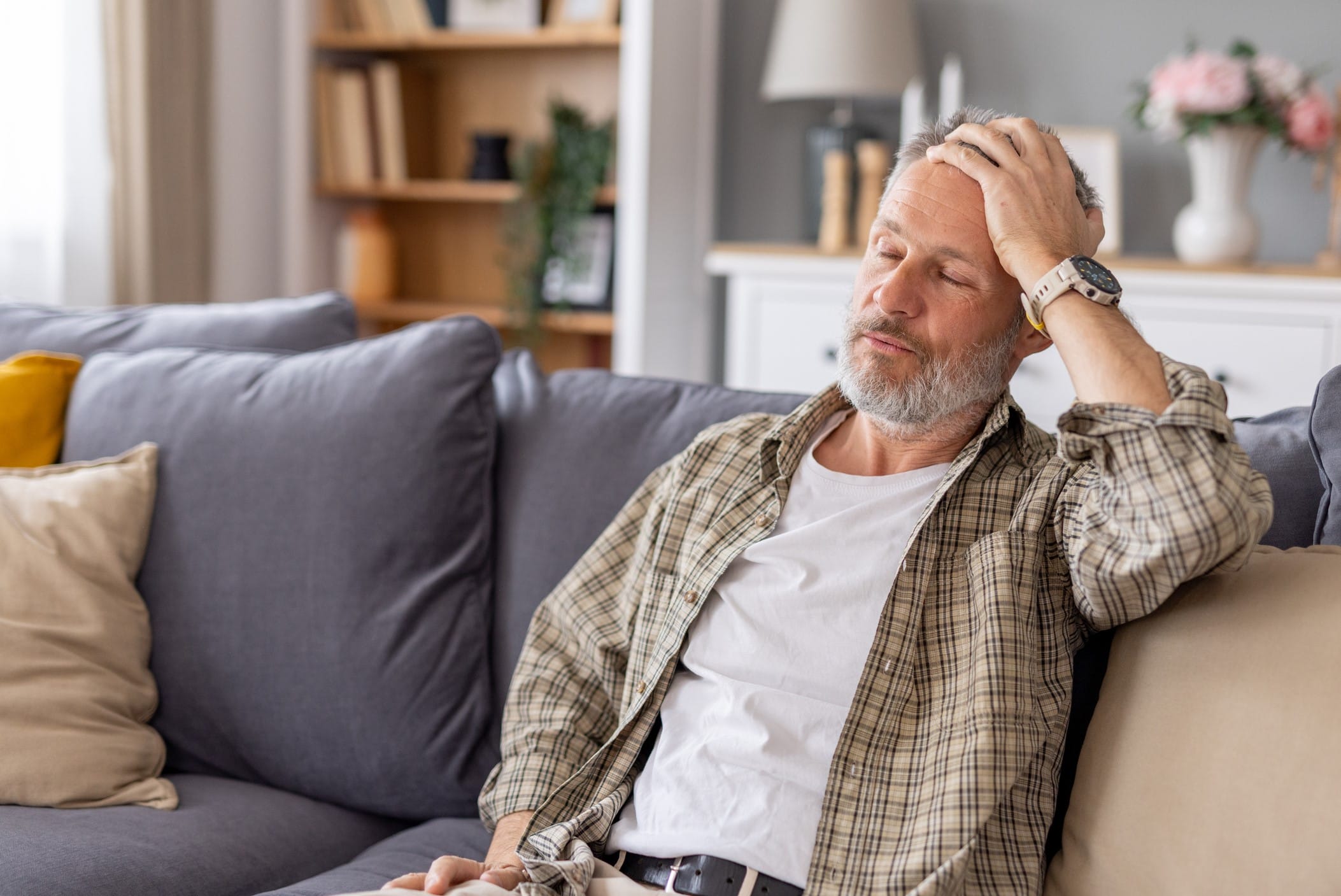
Many individuals undergoing radiation therapy develop fatigue, which may last for some time. This may be a direct result of treatment killing healthy cells, though radiation can also impact blood counts, which contributes to fatigue and increases infection risk.
Tips for managing radiation side effects
The side effects of radiation can be challenging to handle, but prioritizing your well-being and taking care of your body throughout treatment can help make your symptoms more manageable.
Managing fatigue
In some cases, fatigue caused by radiation may not improve with rest alone. If you find this to be the case, talk to your doctor about trying supplements or medications that may reduce fatigue.
Gentle physical activity — such as walking, swimming, yoga and strength training — can also help, if you’re able to exercise. If stress is contributing to your fatigue, counseling or joining a support group may be useful.
Avoiding irritated skin
Using an unscented moisturizer twice a day can help lessen skin reactions.
In terms of skin changes, avoid tight-fitting or rough clothes, which could irritate the skin, and try not to rub or scratch the affected skin. For some patients, hot or cold temperatures can hurt the skin, so you may want to opt for lukewarm water and mild soaps when you bathe.
Easing the stomach
Aside from staying hydrated, eating smaller meals may lessen bowel symptoms. You should also make sure to get sufficient salt intake, as diarrhea can cause your body to lose those salts. Fried, greasy and high-fiber foods may also exacerbate symptoms, so you should take care to avoid them when you can.
Sign up here to get the latest news, perspectives, and information about bladder cancer sent directly to your inbox. Registration is free and only takes a minute.