
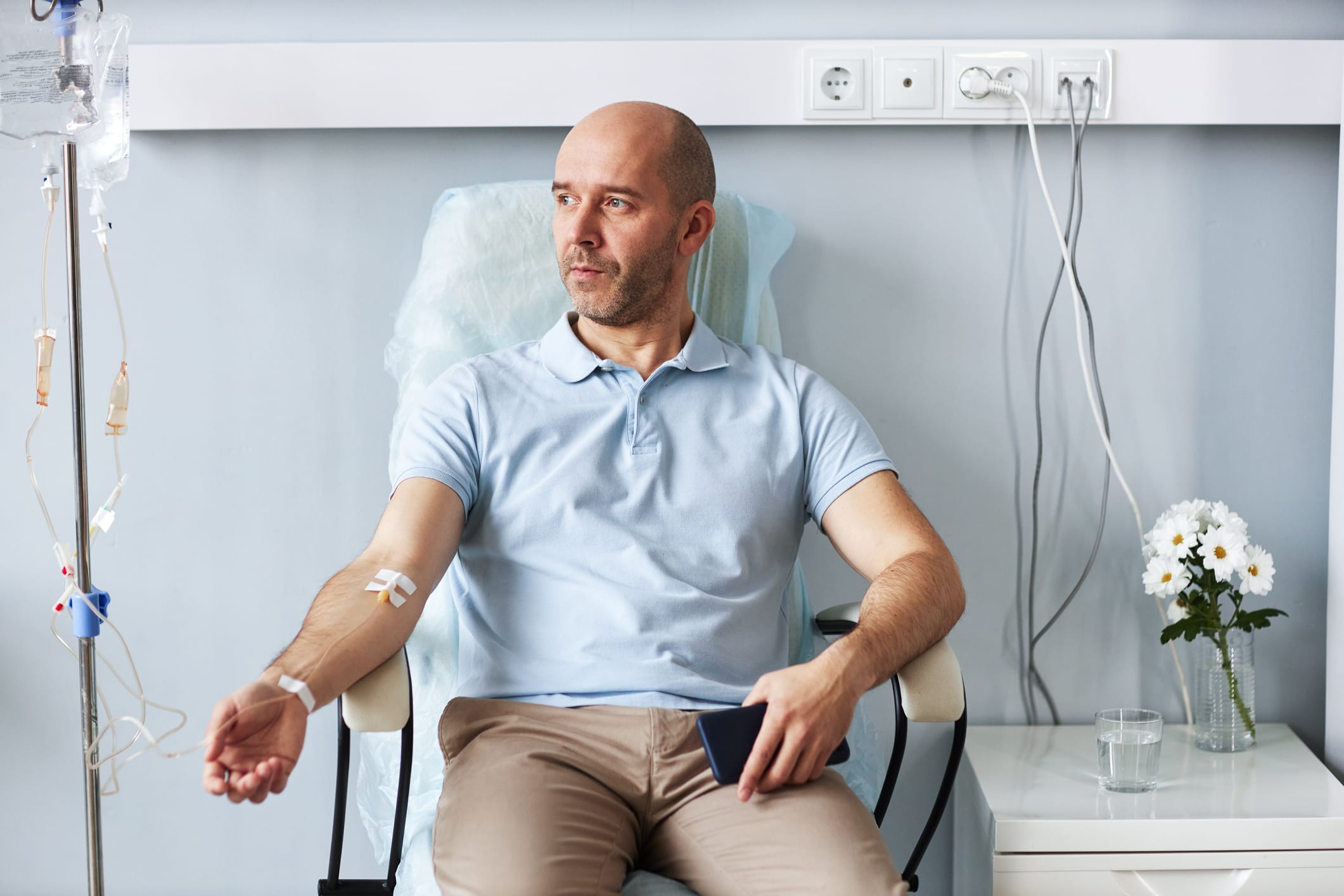
Clinical trials can offer hope for patients with bladder cancer, but they can also be a source of worry. Clinical trials can give patients access to the latest therapies, expanding the options for patients who haven’t had success with the currently available treatments. However, there is no guarantee that the results of a clinical trial will be positive, and the potential side effects and other disadvantages can carry a heavy burden. Deciding to participate in a clinical trial is a personal choice that needs to be made after considering all the pros and cons.
What is a clinical trial, and how does it work?
A clinical trial is scientific research that tests new ways of treating diseases. They test if the new treatment is effective and safe before it’s approved for general use.
There are four phases to clinical trials. Earlier phases enroll smaller numbers of patients and focus on safety, while later phases enroll more patients and study how well the treatment works.
Read more about bladder cancer treatment and care
Pros and cons of participating in a clinical trial
Before making a decision on whether or not to participate, there are certain key factors you must consider. Each individual patient will need to decide what’s right for them based on their overall health, treatment options, age, other existing medical conditions and treatment preferences. Participating in a clinical trial carries many pros and cons.
Pros:
- You’ll have early access to a medical treatment that could have a life-changing effect by slowing disease progress, managing the symptom burden and improving quality of life.
- Your participation will help advance scientific research and help identify potential treatments. This has the potential to benefit future patients.
- Though it’s not always the case, the organization or company funding the trial might pay for your treatment.
Cons:
- The clinical trial may not be successful. There are no guarantees that your precious time spent on this trial will bring you any therapeutic benefit.
- Depending on the phase of the trial, you may experience a high side effect burden and toxicity. Side effects may severely affect your quality of life and have unknown long-term consequences.
- As part of a clinical trial, you are providing information to the trial coordinators and researchers. They are learning about the drug, its effectiveness and side effects based on your experience. This is not always a comfortable experience.
- The follow-up in a clinical trial can be very strict but also very time-consuming, with many doctor’s appointments and tests on a daily or weekly basis.
- Though there are many clinical trials spanning various types and stages of bladder cancer, the best trial for you might not be nearby. You might need to travel to one of the hospitals or clinics where the trial is being conducted.
- Some clinical trials test the new drug against a placebo or the current standard of care. There is therefore no guarantee that you will receive the new treatment.
Questions to ask before joining a clinical trial
Keeping all this in mind, the decision is yours. If you are invited to join a clinical trial after a strict selection process, ask the following questions before taking the leap:
- What are the objectives or endpoints of the trial?
- What are the risks versus benefits of this trial?
- What are the possible side effects and how will they affect my quality of life?
- Can I change my mind and withdraw at any time?
- What is the potential benefit for me personally versus the benefit to scientific research?
Sign up here to get the latest news, perspectives, and information about bladder cancer sent directly to your inbox. Registration is free and only takes a minute.