
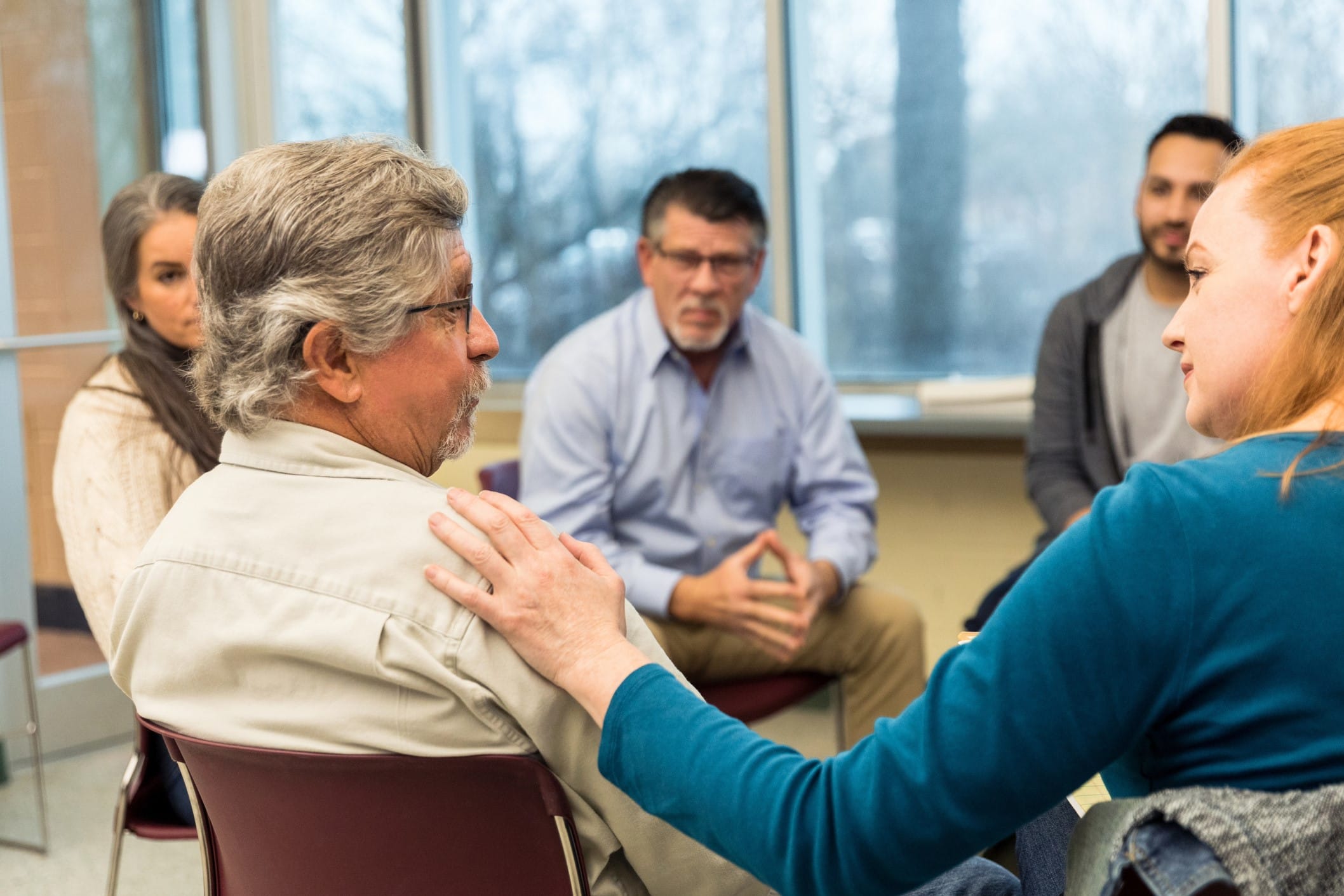
Being diagnosed with bladder cancer changes your life. Receiving emotional support from family and friends can go a long way in helping you cope with the diagnosis and treatment — but it’s not always the same as talking with someone going through the same experience.
A support group can provide this connection. Finding the right support group for you may involve a little research and time, but the benefits are meaningful.
Why join a cancer support group?
Following your bladder cancer diagnosis, you’ll be plunged into a new world of clinic appointments, medical jargon, cancer treatments, medications and side effects. It’s easy to feel overwhelmed, and even lonely from time to time. Even if you’re surrounded by people who want to support you, they might not understand what you’re going through and how you’re feeling.
A support group can help. Studies have shown that support from peers can help reduce stress, anxiety and depression in those with cancer. Sharing your challenges, worries, coping strategies and achievements with others facing bladder cancer can provide both an emotional connection and practical tips on living with the disease.
Read more about bladder cancer treatment and care
Are all support groups the same?
In short, no: There are many kinds of support groups. Finding the right format for you will depend on your schedule, physical mobility, geographic location and whether you feel more comfortable participating online or in-person.
In-person groups often meet in a hospital or community center. Many areas will have one or more support groups for cancer, but only some cities will have one specifically for patients with bladder cancer.
Online support groups may hold regular meetings with video calls, or they may take the form of a social media page, webinar series or chat discussion. These virtual options may be better for those in rural areas, or who have busy schedules or can’t travel.
Some support groups may have a professional facilitator, such as a social worker or therapist. These groups are often more structured, and may require a fee to attend. Groups without a professional facilitator, on the other hand, may feel more casual and flexible, but can be prone to drawbacks such as one or two people dominating the conversation.
How to find a support group for bladder cancer
If you’re interested in joining a bladder cancer support group, start by asking your oncologist or wider healthcare team for recommendations. If you’re meeting with a social worker, they will also be able to help. The hospital where you’re being treated will be able to suggest local support groups.
If you’re drawn to joining a virtual group, here are some online support groups to check out:
Bladder Cancer Support Groups (BCAN): Full of resources, a variety of formats for meetings, personal experiences and a supportive network of fellow bladder cancer patients at different stages of the treatment journey.
Mayo Clinic Bladder Cancer Support Group: One of many Mayo Clinic support groups, you will find answers to your questions and also have the opportunity to share your experience by supporting other members.
World Bladder Cancer Patient Coalition: This international network offers resources, events and access to a large community of bladder cancer patients and patient advocates.
Sign up here to get the latest news, perspectives, and information about bladder cancer sent directly to your inbox. Registration is free and only takes a minute.